Best Basement Dehumidifiers With Built-In Pumps for Easier Drainage
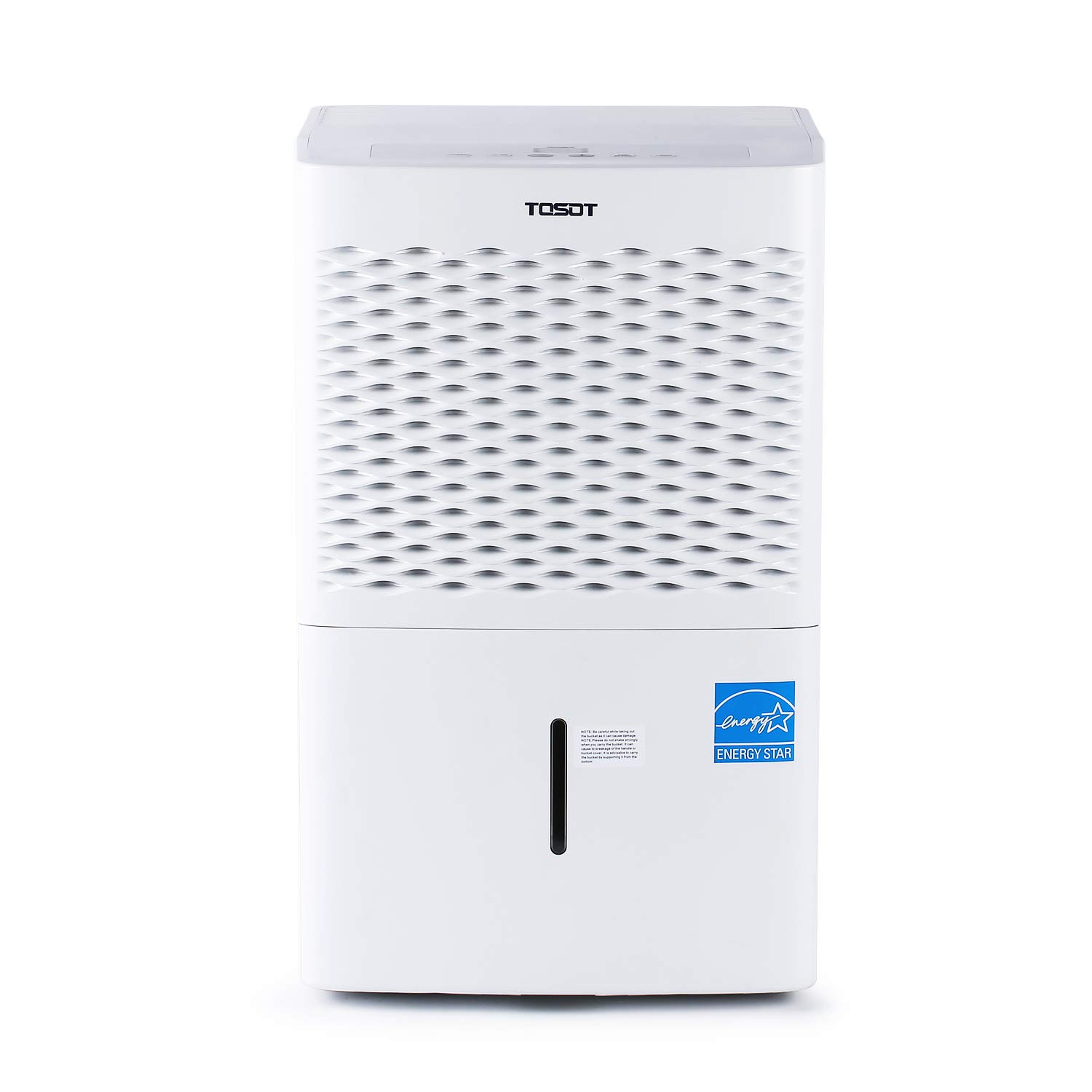
A basement can feel damp even when there is no visible puddle. When the nearest usable drain is higher than the floor, the hard part is not only pulling moisture out of the air—it is getting the collected water out of the room. A basement dehumidifier with a built-in pump can move that water to a suitable sink or drain, subject to the machine’s lift limits. This guide compares pump-equipped options, explains what to check before buying, and separates the convenience of automatic drainage from the underlying moisture-removal performance.
Quick Picks: Frigidaire for Wi-Fi · GE for laundry rooms · Midea Cube for reservoir flexibility · Whirlpool for lift planning
How We Selected These Dehumidifiers
We compared published product descriptions, drainage arrangements and model-specific differences. These are research-based comparisons, not claims of hands-on testing. Model revisions and retail availability can change. Capacity figures should be compared using consistent test conditions, and a dehumidifier cannot repair a leak or eliminate existing mold.
Basement Dehumidifiers With Pumps Compared
| Dehumidifier | Best for | Key feature | Amazon |
|---|---|---|---|
 1. Frigidaire FHDP5033Y1 |
Wi-Fi controls and pumped drainage | 50-pint moisture removal, built-in pump and app-based adjustment | Check latest price |
 2. GE ADHE50PWF |
A basement laundry sink | 50-pint capacity, built-in pump and Smart Dry control | Check latest price |
 3. Midea MAD50P1AWS |
Conventional upright design | 50-pint class with integrated pump | Check latest price |
 4. Midea Cube MAD50PS1QWT |
Flexible bucket arrangements | Cube-format 50-pint class with pumped drainage | Check latest price |
 5. Hisense ADH50KP26 |
A black-finish appliance | 50-pint class and quick-connect pumped drainage | Check latest price |
 6. Whirlpool WHHD501PAW |
An uphill drain run | 50-pint class and published pump-lift specification | Check latest price |
 7. hOmeLabs HME1004 |
Multiple drainage methods | 50-pint class with pump and conventional bucket drainage | Check latest price |
| An included drainage setup | 50-pint class with built-in pump | Check latest price | |
 9. Quilo QLDAD50PWK |
Pump lift and laundry mode | 50-pint unit with 15-ft pump reach and laundry mode | Check latest price |
 10. Honeywell TPFIT50PWK |
Straightforward basement humidity control | 50-pint class, pump and multiple fan speeds | Check latest price |
Buying tip: Trace the entire condensate-hose route before buying; a pump cannot overcome an excessive vertical rise or a kinked hose.
1. Frigidaire FHDP5033Y1 — Wi-Fi controls and pumped drainage
Frigidaire FHDP5033Y1 is worth considering if your priority is wi-fi controls and pumped drainage. Its key attraction is 50-pint moisture removal, built-in pump and app-based adjustment. A built-in pump is most useful when a gravity hose cannot descend continuously to an approved drain. Before choosing this unit, compare the available floor space, reservoir access, the path for the discharge tube, and the controls you will actually use. A basement with ongoing seepage needs a water-intrusion fix first; removing humidity from the air does not stop water from entering through a wall or slab. For a finished room, also think about operating noise and where warm exhaust air will go. The added electronics make this more complex than a basic dial-operated appliance. Compare the seller’s exact model number against the manufacturer’s manual, and inspect the pump outlet location before deciding where to position it. For long-term use, keep the intake clear and plan regular filter and reservoir cleaning.
2. GE ADHE50PWF — A basement laundry sink
GE ADHE50PWF is worth considering if your priority is a basement laundry sink. Its key attraction is 50-pint capacity, built-in pump and smart dry control. A built-in pump is most useful when a gravity hose cannot descend continuously to an approved drain. Before choosing this unit, compare the available floor space, reservoir access, the path for the discharge tube, and the controls you will actually use. A basement with ongoing seepage needs a water-intrusion fix first; removing humidity from the air does not stop water from entering through a wall or slab. For a finished room, also think about operating noise and where warm exhaust air will go. Check the planned hose route and lift limit before installation. Compare the seller’s exact model number against the manufacturer’s manual, and inspect the pump outlet location before deciding where to position it. For long-term use, keep the intake clear and plan regular filter and reservoir cleaning.
3. Midea MAD50P1AWS — Conventional upright design
Midea MAD50P1AWS is worth considering if your priority is conventional upright design. Its key attraction is 50-pint class with integrated pump. A built-in pump is most useful when a gravity hose cannot descend continuously to an approved drain. Before choosing this unit, compare the available floor space, reservoir access, the path for the discharge tube, and the controls you will actually use. A basement with ongoing seepage needs a water-intrusion fix first; removing humidity from the air does not stop water from entering through a wall or slab. For a finished room, also think about operating noise and where warm exhaust air will go. A conventional bucket is less roomy than some cube-style designs. Compare the seller’s exact model number against the manufacturer’s manual, and inspect the pump outlet location before deciding where to position it. For long-term use, keep the intake clear and plan regular filter and reservoir cleaning.
4. Midea Cube MAD50PS1QWT — Flexible bucket arrangements
Midea Cube MAD50PS1QWT is worth considering if your priority is flexible bucket arrangements. Its key attraction is cube-format 50-pint class with pumped drainage. A built-in pump is most useful when a gravity hose cannot descend continuously to an approved drain. Before choosing this unit, compare the available floor space, reservoir access, the path for the discharge tube, and the controls you will actually use. A basement with ongoing seepage needs a water-intrusion fix first; removing humidity from the air does not stop water from entering through a wall or slab. For a finished room, also think about operating noise and where warm exhaust air will go. The stacked reservoir arrangement takes planning and can be awkward to handle. Compare the seller’s exact model number against the manufacturer’s manual, and inspect the pump outlet location before deciding where to position it. For long-term use, keep the intake clear and plan regular filter and reservoir cleaning.
5. Hisense ADH50KP26 — A black-finish appliance
Hisense ADH50KP26 is worth considering if your priority is a black-finish appliance. Its key attraction is 50-pint class and quick-connect pumped drainage. A built-in pump is most useful when a gravity hose cannot descend continuously to an approved drain. Before choosing this unit, compare the available floor space, reservoir access, the path for the discharge tube, and the controls you will actually use. A basement with ongoing seepage needs a water-intrusion fix first; removing humidity from the air does not stop water from entering through a wall or slab. For a finished room, also think about operating noise and where warm exhaust air will go. Confirm the specific variant and its warranty with the seller. Compare the seller’s exact model number against the manufacturer’s manual, and inspect the pump outlet location before deciding where to position it. For long-term use, keep the intake clear and plan regular filter and reservoir cleaning.
6. Whirlpool WHHD501PAW — An uphill drain run
Whirlpool WHHD501PAW is worth considering if your priority is an uphill drain run. Its key attraction is 50-pint class and published pump-lift specification. A built-in pump is most useful when a gravity hose cannot descend continuously to an approved drain. Before choosing this unit, compare the available floor space, reservoir access, the path for the discharge tube, and the controls you will actually use. A basement with ongoing seepage needs a water-intrusion fix first; removing humidity from the air does not stop water from entering through a wall or slab. For a finished room, also think about operating noise and where warm exhaust air will go. Verify that the hose path fits the manufacturer’s allowable lift. Compare the seller’s exact model number against the manufacturer’s manual, and inspect the pump outlet location before deciding where to position it. For long-term use, keep the intake clear and plan regular filter and reservoir cleaning.
7. hOmeLabs HME1004 — Multiple drainage methods
hOmeLabs HME1004 is worth considering if your priority is multiple drainage methods. Its key attraction is 50-pint class with pump and conventional bucket drainage. A built-in pump is most useful when a gravity hose cannot descend continuously to an approved drain. Before choosing this unit, compare the available floor space, reservoir access, the path for the discharge tube, and the controls you will actually use. A basement with ongoing seepage needs a water-intrusion fix first; removing humidity from the air does not stop water from entering through a wall or slab. For a finished room, also think about operating noise and where warm exhaust air will go. Connectivity and exact features should be checked against the current model listing. Compare the seller’s exact model number against the manufacturer’s manual, and inspect the pump outlet location before deciding where to position it. For long-term use, keep the intake clear and plan regular filter and reservoir cleaning.
8. BLACK+DECKER BDM50PWCDA — An included drainage setup
BLACK+DECKER BDM50PWCDA is worth considering if your priority is an included drainage setup. Its key attraction is 50-pint class with built-in pump. A built-in pump is most useful when a gravity hose cannot descend continuously to an approved drain. Before choosing this unit, compare the available floor space, reservoir access, the path for the discharge tube, and the controls you will actually use. A basement with ongoing seepage needs a water-intrusion fix first; removing humidity from the air does not stop water from entering through a wall or slab. For a finished room, also think about operating noise and where warm exhaust air will go. Hose lengths and pump operation should be confirmed in the manual. Compare the seller’s exact model number against the manufacturer’s manual, and inspect the pump outlet location before deciding where to position it. For long-term use, keep the intake clear and plan regular filter and reservoir cleaning.
9. Quilo QLDAD50PWK — Pump lift and laundry mode
Check the latest price on Amazon
The Quilo QLDAD50PWK is an alternative to older dehumidifiers when your drain is higher than the basement floor. Its built-in pump is advertised with a reach of up to 15 feet vertically or horizontally, making it worth comparing for laundry sinks and elevated drain outlets. Its 50-pint class capacity targets persistently damp spaces, while the dedicated laundry drying mode is useful when clothes are air-dried indoors. Check the discharge tube route and the stated lift limit carefully before ordering. The controls include a child lock and automatic defrost, but do not assume smartphone monitoring is available. Like other compressor dehumidifiers, it needs airflow clearance and regular filter cleaning. Confirm the exact QLDAD50PWK model, accessory list, and current warranty on the seller’s page before buying.
10. Honeywell TPFIT50PWK — Straightforward basement humidity control
Honeywell TPFIT50PWK is worth considering if your priority is straightforward basement humidity control. Its key attraction is 50-pint class, pump and multiple fan speeds. A built-in pump is most useful when a gravity hose cannot descend continuously to an approved drain. Before choosing this unit, compare the available floor space, reservoir access, the path for the discharge tube, and the controls you will actually use. A basement with ongoing seepage needs a water-intrusion fix first; removing humidity from the air does not stop water from entering through a wall or slab. For a finished room, also think about operating noise and where warm exhaust air will go. The manufacturer marks TPFIT50PWK discontinued; check availability carefully, and consider a current-generation alternative if you need dependable replacement support. Its full-size cabinet may also be intrusive for a small finished room. Compare the seller’s exact model number against the manufacturer’s manual, and inspect the pump outlet location before deciding where to position it. For long-term use, keep the intake clear and plan regular filter and reservoir cleaning.
How to Choose a Basement Dehumidifier With a Pump
Start with the drain, not the square footage
A basement dehumidifier for a room without a floor drain needs a safe destination for pumped water. Check allowable vertical lift, tubing length, and local drainage rules. Never direct water where it can re-enter the foundation.
Match capacity to moisture load
A 50-pint class machine may suit a large or persistently damp basement, but advertised coverage areas are not guarantees. Compare moisture-removal capacity at equivalent test conditions and address leaks first.
Consider a quiet dehumidifier for a finished basement
Compressor cycling, fan settings, and pump operation all contribute sound. Published noise figures are not always measured consistently. Locate the unit away from seating when possible.
Look beyond the purchase price
An energy-efficient basement dehumidifier with a pump can reduce running costs over years of use. Check current ENERGY STAR listings by exact model and allow access for filter cleaning and pump maintenance.
Frequently Asked Questions
Can a dehumidifier pump water uphill?
Yes, within its rated lift and hose limits. Measure the rise to the discharge point rather than assuming every pump can reach an upstairs sink.
Do I need a built-in pump if I have a floor drain?
Usually not if a gravity hose can run continuously downhill. A pump is helpful when the discharge destination is above the unit.
What humidity should I aim for?
A practical starting target is around 45–50% relative humidity, adjusted for comfort and conditions. Persistent condensation or leaks need separate attention.
Will a dehumidifier remove mold?
No. Lower humidity can discourage future growth, but existing mold and the moisture source require appropriate remediation.
Final Verdict
For most damp basements without a convenient low drain, prioritize a clearly documented pump and an easy-to-maintain 50-pint-class unit over extras you may never use.
- Connected controls: Frigidaire FHDP5033Y1 is a useful starting point.
- Utility-room drainage: GE ADHE50PWF deserves comparison.
- Reservoir flexibility: Midea Cube is worth evaluating.
- Longer lift planning: Whirlpool WHHD501PAW warrants a closer look.
Sources and Further Reading
Review the manufacturer’s current specification sheet and manual for each exact model. Independent context: Good Housekeeping basement dehumidifier testing.
As an Amazon Associate, SizeThemUp earns from qualifying purchases.